If you’ve ever opened a bank account in the U.S., chances are you were handed a plastic card and told, “You can use this to get cash.” Simple enough—until you realize there are ATM cards, debit cards, prepaid cards, and credit cards, all of which look similar but work very differently.
For someone new to banking, this can get confusing fast. Let’s break it all down in plain English so you know what each card does, when to use it, and which one is best for everyday spending.
ATM Cards: Basic Access to Your Money
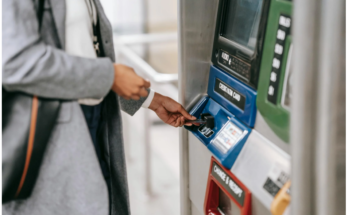
An ATM card is the most basic type of bank card. Its main job is to let you access your checking or savings account through an automated teller machine (ATM).
What you can do with an ATM card
-
Withdraw cash
-
Deposit money (at some ATMs)
-
Check your account balance
-
Transfer money between accounts at the same bank
What you can’t do
-
Shop online
-
Pay at stores or restaurants
That’s because ATM cards usually don’t run on major payment networks like Visa or Mastercard. Without those logos, stores simply can’t accept them.
Fees to watch for
If you use your ATM card at a machine owned by another bank, you’ll often pay:
-
A fee from your bank
-
A fee from the ATM owner
Best for
-
People who mostly use cash
-
Anyone trying to limit spending
-
Simple banking needs with minimal features
Debit Cards: Spending Directly From Your Checking Account
Debit cards are what most Americans carry today. They do everything an ATM card can do—and a lot more.
How debit cards work
When you use a debit card to buy something, the money comes straight out of your checking account, usually within seconds.
Debit cards are widely accepted because they carry logos like:
-
Visa
-
Mastercard
-
Discover
-
American Express
This makes them usable:
-
In stores
-
Online
-
For bill payments
-
At ATMs
Real-life example
If you buy groceries for $45 using a debit card, your checking account balance immediately drops by $45. There’s no bill later—your money is gone right away.
Important caution
Debit cards can cause issues with:
-
Hotel stays
-
Rental cars
These businesses often place a temporary authorization hold on your account, which reduces your available balance even before the final charge is known. That can be a problem if your checking account doesn’t have much extra cash.
Best for
-
Everyday purchases
-
People who don’t want to borrow money
-
Replacing paper checks
Prepaid Debit Cards: Spend Only What You Load
Prepaid debit cards look like regular debit cards, but they work very differently.
How they work
Instead of being linked to a checking account, you add money to the card first, then spend until the balance hits zero.
You can usually load money by:
-
Direct deposit
-
Bank transfer
-
Cash deposit
-
Mobile check deposit
Why people use prepaid cards
-
Easy to qualify for
-
No credit check
-
Useful for budgeting or controlled spending
Downsides
Prepaid cards often come with:
-
Monthly fees
-
Reload fees
-
ATM withdrawal fees
-
Balance inquiry fees
If you forget to add money, the card becomes useless—no overdraft, no backup funds.
Best for
-
People who can’t open a bank account
-
Strict spending control
-
Temporary or starter financial tools
Credit Cards: Borrow Now, Pay Later
Credit cards are fundamentally different from debit cards. When you use one, you’re borrowing money from the card issuer, not spending your own cash.
How credit cards work
-
You make purchases using borrowed funds
-
You receive a monthly bill
-
You can avoid interest by paying the full balance on time
If you don’t pay in full, interest kicks in—and it can be expensive.
Why credit cards are safer
Credit cards offer stronger fraud protection than debit cards. If your card number is stolen:
-
Your checking account stays untouched
-
Your liability for unauthorized charges is limited under federal law
-
Disputes are usually easier to resolve
Real-life example
If someone steals your debit card details, your rent money could disappear overnight. With a credit card, fraudulent charges are usually reversed before you pay anything.
The biggest risk
Credit cards make it easy to:
-
Overspend
-
Carry high-interest debt
-
Damage your credit score
Used responsibly, they’re powerful. Used carelessly, they’re dangerous.
Best for
-
Everyday spending
-
Online shopping
-
Travel
-
Building a strong credit history
Which Card Should You Use?
Most people use more than one type of card, depending on the situation.
Here’s a simple rule of thumb:
-
ATM card → Cash access
-
Debit card → Controlled spending
-
Prepaid card → Budgeting or limited access
-
Credit card → Protection, rewards, and credit building
Knowing when to use each one can help you:
-
Avoid unnecessary fees
-
Protect your money
-
Stay out of debt
Frequently Asked Questions
Is it better to use a credit card or a debit card?
Credit cards offer better fraud protection and may include perks like extended warranties or rewards. Debit cards are better if you want to avoid debt and interest. The best choice depends on your spending habits and ability to pay bills on time.
What’s the difference between an ATM card and a debit card?
An ATM card is mainly for cash withdrawals and basic banking tasks. A debit card can do all of that plus make purchases in stores and online, with money taken directly from your account.
Please take a look at this as well:
What Are Cleared Funds? A Simple Guide for Beginners