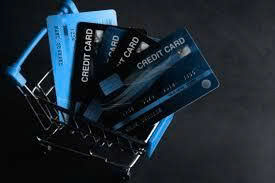
At first glance, prepaid cards and gift cards look almost identical. They’re both plastic cards loaded with money, and both are popular alternatives to giving cash. But once you start using them, the differences become pretty clear.
If you’ve ever wondered which one makes more sense—for a gift, for budgeting, or for everyday spending—this guide breaks it all down in plain English.
The Big Picture
Both prepaid cards and gift cards come with a set amount of money added upfront. You can only spend what’s on the card—no borrowing, no credit line.
The main difference comes down to flexibility and lifespan:
-
Prepaid cards work more like reusable debit cards.
-
Gift cards are usually designed for one-time use until the balance runs out.
What Is a Prepaid Card?
A prepaid card is essentially a debit card without a bank account attached.
You load money onto the card, then use it to:
-
Shop online or in stores
-
Pay bills
-
Withdraw cash from ATMs
Most prepaid cards run on major payment networks like Visa or Mastercard, so they’re accepted almost anywhere those logos are recognized.
Key Features of Prepaid Cards
-
Can be reloaded again and again
-
Can be used at most merchants, online and offline
-
Often has fees (monthly fees, ATM fees, reload fees)
-
No credit check required
-
Spending is limited to the balance on the card
Real-life example:
A parent gives their college student a prepaid card and reloads it each month for groceries and gas. The student can’t overspend, and the parent can control how much money is available.
Important note: Prepaid cards are not credit cards. Money is deducted immediately when you spend—it’s not a bill you pay later.
What Is a Gift Card?
A gift card is a stored-value card meant mostly for spending at specific places.
Most gift cards are tied to:
-
One store (like Target or Starbucks)
-
A group of related stores (like brands under the same company)
Once the money on the card is used up, the card is usually done.
Types of Gift Cards
-
Store-specific gift cards (closed-loop)
-
Only usable at one retailer
-
Most common type
-
-
Network-branded gift cards (open-loop)
-
Issued by Visa, Mastercard, or American Express
-
Can be used anywhere that network is accepted
-
Often have a one-time activation fee
-
Key Features of Gift Cards
-
Usually not reloadable
-
Often come in fixed dollar amounts
-
May have expiration dates or inactivity rules
-
Generally no monthly fees
Real-life example:
You give a friend a $50 gift card to their favorite clothing store. Once they spend the $50, the card has no value left.
Side-by-Side Comparison
| Feature | Prepaid Card | Gift Card |
|---|---|---|
| Accepted at most stores | Yes | Usually no |
| Reloadable | Yes | Usually no |
| Linked to Visa/Mastercard | Yes | Sometimes |
| Monthly fees | Common | Rare |
| Best for | Ongoing use, budgeting | One-time gifts |
Key Differences That Matter
1. Where You Can Use Them
Prepaid cards work almost anywhere. Gift cards are often limited to specific stores.
2. Fees
Prepaid cards tend to come with more fees over time. Gift cards usually have fewer ongoing costs but may include activation or inactivity fees.
3. Expiration Rules
Gift cards may expire or lose value if unused for too long. Prepaid cards usually stay active but may charge maintenance fees instead.
4. Long-Term Value
Prepaid cards can be used indefinitely as long as you keep adding money. Gift cards typically end once the balance hits zero.
Is a Gift Card the Same as Cash?
Not quite.
A gift card holds monetary value, but it’s more limited than cash. You can’t always use it everywhere, you can’t break it into change, and if the issuing company goes out of business, the card could become worthless.
Downsides to Watch Out For
Gift Cards
-
Expiration dates or inactivity rules
-
Limited places to spend
-
Risk if the retailer closes
Prepaid Cards
-
Multiple types of fees
-
ATM withdrawal costs
-
Reload fees
Always read the fine print before buying or using either card.
Prepaid Card vs. Debit Card: Not the Same Thing
A debit card is linked directly to your checking account. A prepaid card is not. You have to load money onto it first.
Both can help with budgeting, but prepaid cards can act as a spending boundary—once the money’s gone, it’s gone.
The Bottom Line
Prepaid cards and gift cards may look similar, but they serve different purposes.
-
Choose a prepaid card if you want flexibility, repeated use, or a budgeting tool.
-
Choose a gift card if you want a simple, thoughtful, one-time present.
Understanding the differences helps you avoid fees, frustration, and wasted money—and makes sure the card you choose actually fits your needs.
What Is the Minimum Capital Adequacy Ratio Under Basel III?