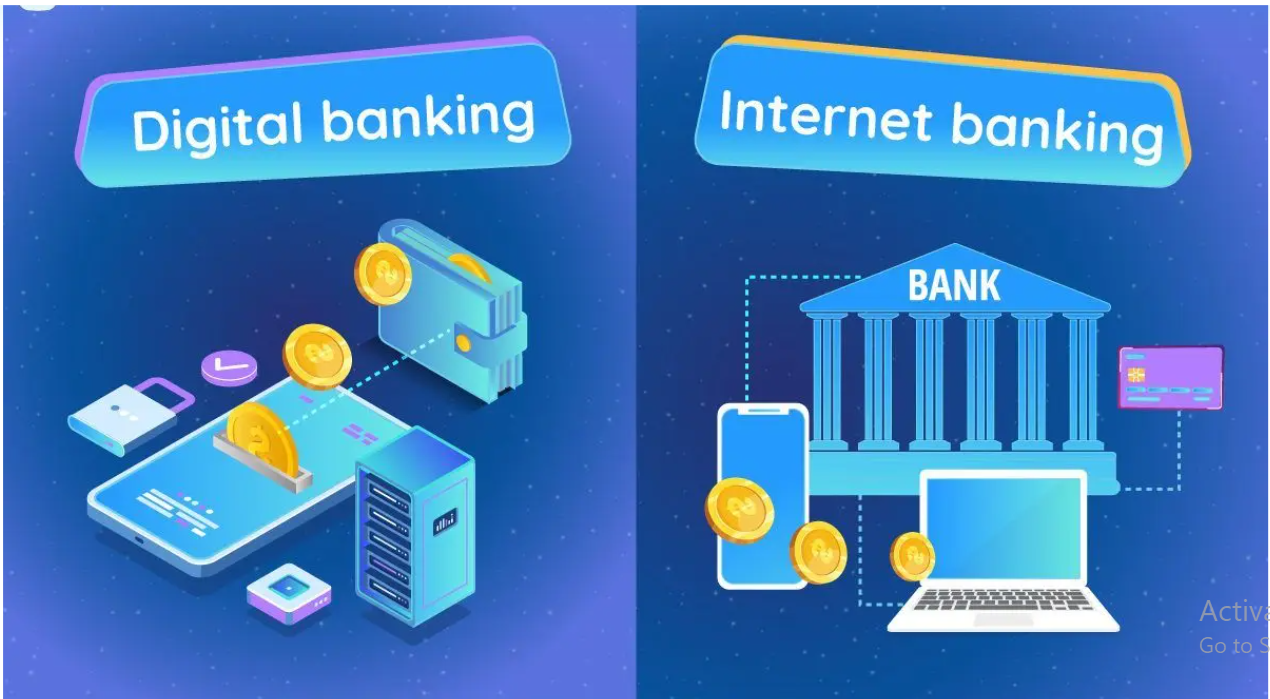
If you’ve ever sent money electronically through a bank, you’ve likely used either an ACH transfer or a wire transfer even if you didn’t realize it at the time. Both are common ways to move money safely without using cash or checks, but they work very differently and are used for different situations.
Understanding the difference can help you avoid delays, reduce fees, and choose the right option for your needs.
What Is an ACH Transfer?
ACH stands for Automated Clearing House. It’s a nationwide network that banks use to move money electronically in large groups, called batches.
ACH transfers are everywhere in everyday life. For example:
-
Your paycheck arriving by direct deposit
-
Monthly utility or phone bills paid automatically
-
Transferring money between your own bank accounts
-
Sending money through apps like Zelle or PayPal
Because ACH payments are processed in batches, they are usually slower than wire transfers—but they are also much cheaper.
What Is a Wire Transfer?
A wire transfer moves money directly from one bank to another, one transaction at a time. Each transfer is handled individually rather than grouped with others.
Wire transfers are often used for large or urgent payments, such as:
-
A home down payment
-
Closing costs for real estate
-
Sending money internationally
-
Paying a vendor when timing is critical
Most wire transfers are completed within the same business day, especially when sent early in the morning.
Speed: Which One Is Faster?
Wire transfers are generally faster.
In many cases, the recipient can access the money the same day. However, international wires may take one to three business days.
ACH transfers usually take one business day, though some banks now offer same-day ACH for certain payments. Even so, ACH is still designed for routine payments rather than urgent ones.
Tip: If timing matters, always send a wire transfer earlier in the day to avoid processing delays.
Safety and Reversals
Both methods are secure, but they handle mistakes very differently.
Wire Transfers
-
Funds are withdrawn immediately from the sender’s account
-
Payments are usually final and very difficult to reverse
-
Once sent, the recipient can often access the money right away
Because wire transfers are hard to undo, scammers often request payment this way. Always double-check recipient details before sending a wire.
ACH Transfers
-
Can sometimes be reversed, especially in cases of fraud or error
-
Commonly corrected if a payroll mistake or duplicate charge occurs
-
Governed by strict banking rules on when reversals are allowed
This flexibility makes ACH safer for everyday use but less certain for sellers who want guaranteed funds.
Cost: Which One Is Cheaper?
ACH transfers are usually free for consumers.
Even when fees apply, they’re typically under $1 per transaction. Businesses often pay small processing fees so customers don’t have to.
Wire transfers are more expensive.
-
Domestic wires often cost $10 to $35 to send
-
International wires usually cost more
-
Receiving a wire is often free, though some banks charge a small fee
Using a credit card to fund a wire transfer can be very costly due to cash advance fees and high interest rates.
What Information Do You Need?
For a wire transfer, you’ll usually need:
-
Bank name
-
Account number
-
ABA routing number
-
Full name of the account holder
For large amounts, banks may require extra verification, such as a phone confirmation.
For ACH transfers, the process is often simpler:
-
You may only need an email address or phone number when using payment apps
-
The recipient provides their banking details separately
No matter the method, only share your bank information with people or organizations you trust.
Which One Should You Use?
Choose a wire transfer when:
-
Speed is critical
-
You’re sending a large amount
-
The recipient requires guaranteed funds
A common example is paying a real estate seller wire transfers give them confidence the money is real and available.
Choose an ACH transfer when:
-
Payments are recurring or routine
-
Cost matters more than speed
-
You’re paying bills, employees, or yourself
ACH is ideal for everyday banking and long-term financial management.
Bottom Line
ACH and wire transfers both move money electronically, but they serve very different purposes. Wire transfers are fast and final but expensive and risky if you make a mistake. ACH transfers are slower but affordable, flexible, and perfect for regular payments.
Knowing which one to use and when can save you time, money, and stress.
Frequently Asked Questions
What does ACH stand for?
ACH means Automated Clearing House, the system banks use to process electronic payments in batches.
How do I receive a wire transfer?
You don’t need to take any action. The sender just needs your correct bank details and your name exactly as it appears on your account.
Please take a look at this as well:
What Is a Beneficiary? A Simple Guide for Beginners