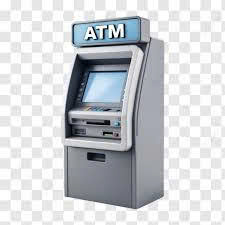
An ATM, short for Automated Teller Machine, is a self-service banking machine that lets you handle basic money tasks without going inside a bank or speaking to a teller. ATMs make it possible to get cash, check your balance, or even deposit money at almost any time of day or night.
Today, ATMs are everywhere—outside bank branches, inside grocery stores, at gas stations, airports, shopping malls, and even in small towns. If you have a debit card or certain credit cards, you can usually use an ATM in the U.S. or while traveling abroad.
What Can You Do at an ATM?
Most people think of ATMs as “cash machines,” but many modern ATMs can do much more.
Depending on the machine and your bank, you may be able to:
-
Withdraw cash
-
Check your account balance
-
Deposit cash or checks
-
Transfer money between accounts
-
Pay bills or credit card balances
-
Change your PIN
Not every ATM offers all these features. Machines inside bank branches usually provide more options, while ATMs in convenience stores often only allow cash withdrawals.
A Quick Example
Let’s say it’s Sunday night and you realize you need cash for the next day. The bank branch is closed, but there’s an ATM nearby. You insert your debit card, enter your PIN, choose how much cash you want, and walk away with money in less than a minute—no teller required.
That convenience is exactly why ATMs are so widely used.
How ATMs Became So Common
The first ATM appeared in London in the late 1960s, allowing customers to withdraw cash outside normal banking hours. Not long after, similar machines began showing up in other countries, including the United States.
Once banks connected their systems together in the 1970s, customers could use their cards at ATMs owned by different banks. This change helped ATMs spread rapidly across the world.
Today, there are millions of ATMs globally, making cash access easier than ever.
Different Types of ATMs
ATMs generally fall into two main categories:
Basic ATMs
These machines usually allow:
-
Cash withdrawals
-
Balance inquiries
They’re commonly found in small stores, bars, or gas stations.
Full-Service ATMs
These are often located at bank branches and may allow:
-
Cash and check deposits
-
Transfers between accounts
-
Loan or credit card payments
To use advanced features, you typically need an account with the bank that owns the ATM.
What’s Inside an ATM?
Even though designs vary, most ATMs share the same key parts:
-
Card reader: Reads the chip or magnetic stripe on your card
-
Keypad: Used to enter your PIN and transaction details
-
Screen: Shows instructions and account information
-
Cash dispenser: Releases your money
-
Receipt printer: Prints a record of your transaction
Some ATMs also have slots for depositing cash or checks.
How to Use an ATM Step by Step
Using an ATM is usually quick and simple:
-
Insert your debit or credit card
-
Enter your PIN
-
Choose the type of transaction
-
Select the amount or enter details
-
Take your cash (if withdrawing)
-
Collect your card and receipt
Always put your cash away before leaving the machine.
ATM Fees: What You Should Watch Out For
Using your own bank’s ATM is often free. However, using an ATM outside your bank’s network can cost you money.
Out-of-network ATM fees may include:
-
A fee charged by the ATM owner
-
A fee charged by your own bank
These fees can add up fast. For example, paying $4 per withdrawal once a week can cost you over $200 a year.
Some banks reimburse ATM fees, especially if you maintain a certain account balance.
Using ATMs While Traveling Internationally
ATMs are one of the easiest ways to get local currency when traveling abroad. They often provide better exchange rates than airport currency exchange booths.
That said, your bank may charge:
-
A foreign transaction fee
-
An international ATM fee
It’s smart to check your bank’s fee policy before traveling.
ATM Withdrawal Limits
Banks usually limit how much cash you can withdraw per day. Limits vary by bank and account type and may range from a few hundred dollars to over $1,000 per day.
If you need more cash, you may be able to:
-
Request a temporary limit increase
-
Visit a bank branch
-
Make multiple withdrawals over time
Making Deposits at an ATM
Many banks allow customers to deposit checks or cash at their ATMs. Some machines accept deposits directly, while others require envelopes.
When depositing checks:
-
Sign the back
-
Write “For Deposit Only” for extra security
Funds may not be available immediately, depending on your bank’s rules.
The Bottom Line
An ATM is a convenient, self-service banking tool that lets you access cash and manage basic financial tasks anytime, day or night. While ATMs save time and offer flexibility, fees can add up if you use machines outside your bank’s network.
By choosing the right ATMs and understanding your bank’s policies, you can use ATMs safely, conveniently, and without unnecessary costs—making them a valuable part of everyday money management.
What Is APR? A Beginner’s Guide to Understanding Interest Rates