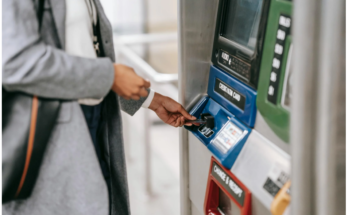
Paying without cash is already second nature for most people. You tap your phone at the grocery store, pay bills online, and send money digitally. Now, even getting cash doesn’t always require a physical debit card. That’s where cardless ATMs come in.
If you’ve ever left home without your wallet but still had your phone, this technology can be a real lifesaver. Let’s break down how cardless ATMs work, why banks are rolling them out, and whether they make sense for you.
What Is a Cardless ATM?
A cardless ATM lets you withdraw cash without inserting a debit card into the machine. Instead of swiping or inserting plastic, you use your smartphone to prove your identity and approve the transaction.
Most cardless ATMs allow you to do the same basic tasks as a traditional ATM, such as:
-
Withdrawing cash
-
Checking your account balance
-
Viewing recent transactions
Major U.S. banks like Chase, Bank of America, and Wells Fargo support cardless ATM access. Many regional banks and credit unions are adopting it too, so this feature isn’t limited to the biggest names anymore.
How Cardless ATM Withdrawals Actually Work
While the details vary by bank, the process usually looks something like this:
-
You open your bank’s mobile app or mobile wallet on your phone
-
You verify your identity (PIN, fingerprint, or Face ID)
-
Your phone connects to the ATM
-
You choose how much cash you want
-
The ATM dispenses your money
The “connection” between your phone and the ATM can happen in a few different ways.
Common Technologies Used by Cardless ATMs
Near-Field Communication (NFC)
NFC allows devices to communicate when they’re very close together usually just a few inches apart. It’s the same technology used for tap-to-pay purchases.
At an NFC-enabled ATM, you simply tap your phone on a marked spot. Your phone sends your card information securely, and you confirm the transaction with your PIN or biometric login.
Some banks, like Wells Fargo, even offer tap-enabled debit cards, so you can tap the card itself instead of inserting it.
QR Codes
Some cardless ATMs display a QR code on the screen. You scan it using your bank’s mobile app, which links your phone to that specific ATM.
Once scanned, the app walks you through identity verification and withdrawal approval. This method is common when NFC isn’t available.
Biometric Security
Biometrics add an extra layer of protection by using something unique to you like your fingerprint or face.
Most phones already support biometric login, and banks rely on that security when approving cardless ATM transactions. In a few countries outside the U.S, some ATMs even use biometrics directly, without a phone, though that’s still rare domestically.
Pros and Cons of Using Cardless ATMs
Advantages
More secure than swiping a card
Since there’s no physical card involved, card skimming isn’t an issue. There’s also less risk of someone stealing your debit card or watching you enter your PIN.
You can travel light
No wallet? No problem. As long as you have your phone, you can still access cash.
Faster transactions
Some banks let you start the withdrawal process in the app before you even reach the ATM, which can save time.
Disadvantages
Not available everywhere
Not all ATMs support cardless access, and your bank may have limited locations depending on where you live.
Phone security matters a lot
If your phone is lost or stolen, your money could be at risk. Strong passwords, biometric locks, and two-factor authentication are essential.
Device compatibility issues
Older phones may not support NFC or the latest banking apps, which can limit access.
Is a Cardless ATM a Good Choice for You?
Cardless ATMs are a great option if you:
-
Prefer carrying fewer physical items
-
Rarely use cash but want a backup option
-
Already rely heavily on mobile banking
They’re especially useful for quick trips or situations where bringing a wallet feels unnecessary.
That said, traditional debit cards still work just fine. If you worry about your phone battery dying at the wrong time—or you’re comfortable with your current routine there’s no pressure to switch.
Please take a look at this as well:
How to Ask Your Bank to Remove an Overdraft Fee (And Actually Succeed)