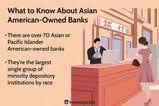
A Minority Depository Institution, often called an MDI, is a bank or credit union that is owned or led by members of historically underserved communities. These financial institutions play an important role in expanding access to banking services in areas where traditional banks may be limited or absent.
In the United States, thousands of banks are insured by the Federal Deposit Insurance Corporation (FDIC). Only a small portion of them qualify as MDIs based on specific ownership and leadership rules.
How a Bank Qualifies as an MDI
According to the FDIC, a financial institution is considered an MDI if it meets one of these main conditions:
-
At least 51% of its voting stock is owned by minority individuals, or
-
A majority of its board of directors are minorities, and the bank primarily serves a minority community
Ownership must be held by U.S. citizens or permanent legal residents.
In 2021, the Federal Reserve expanded the definition to also include women-owned financial institutions, recognizing their role in serving underserved populations.
Why Minority Depository Institutions Matter
Banks do much more than store money. They provide checking and savings accounts, loans, mortgages, small business funding, and financial education. For many communities, access to these services can be life-changing.
However, some populations—especially Native American communities—have historically faced major barriers to banking access.
Financial “Deserts” Are a Real Problem
Many Native American communities live in areas where:
-
The nearest bank may be 10 to 80+ miles away
-
ATMs are limited or nonexistent
-
Reliable internet access is scarce, making online banking difficult
These areas are often referred to as financial deserts.
How Limited Banking Access Affects Financial Health
Growing up without easy access to banking services can have long-term financial consequences. Research shows that people in financial deserts often:
-
Have lower credit scores
-
Are less likely to have a credit report at all
-
Experience higher rates of late payments and loan delinquencies
Even a small drop in credit score can limit access to affordable loans, housing, and job opportunities. Over time, these barriers contribute to higher poverty rates and lower household incomes.
The Role of Native American–Owned Banks and Credit Unions
Native American–owned banks and credit unions were created to help fill these gaps. They are often located directly on or near tribal lands and are designed to serve the unique needs of their communities.
These institutions commonly focus on:
-
Relationship-based lending
-
Small business and tribal enterprise support
-
Financial education
-
Community reinvestment
Some are also classified as Community Development Financial Institutions (CDFIs), meaning they specifically work to promote economic growth in underserved areas.
Banks vs. Credit Unions: What’s the Difference?
It’s helpful to understand the distinction:
-
Banks are typically for-profit and owned by shareholders
-
Credit unions are nonprofit and owned by their members
Both can be MDIs, and both can offer similar services like checking accounts, loans, and debit cards.
Examples of Where MDIs Operate
Minority Depository Institutions operate across many U.S. states, including:
-
Oklahoma
-
Alaska
-
Arizona
-
Hawaii
-
Minnesota
-
Wisconsin
-
North Carolina
Oklahoma, in particular, is home to a large number of Native American–owned banks due to its strong tribal presence and economic development efforts.
Oldest and Largest Native American–Owned Banks
-
Oldest: Some of today’s Native American–owned banks trace their roots back more than a century, even if tribal ownership came later.
-
Largest: Gateway First Bank is currently the largest Native American–owned bank by total assets, with billions in deposits and loans.
How Many MDIs Exist in the U.S.?
As of the most recent FDIC data, there are about 146 Minority Depository Institutions nationwide. While that’s a small share of total U.S. banks, their impact on local communities is significant.
Why MDIs Matter for Everyday Americans
Even if you don’t belong to a minority group, MDIs help strengthen the broader economy by:
-
Supporting small businesses
-
Promoting local investment
-
Expanding access to credit
-
Encouraging financial inclusion
When more people have access to fair banking, entire communities benefit.
The Bottom Line
Minority Depository Institutions are more than just banks—they are tools for economic opportunity. By serving communities that traditional banks have often overlooked, MDIs help close financial gaps, improve credit access, and support long-term stability.
For many Native American communities and other underserved populations, these institutions aren’t just helpful—they’re essential.