Waiting days for money to move from one bank account to another has long been a frustration for Americans. Whether it’s a paycheck, a bill payment, or money sent to a family member, delays can cause real financial stress. That’s where FedNow comes in.
Launched by the Federal Reserve in July 2023, FedNow is a new payment system designed to move money instantly, any time of day, any day of the year.
What Is FedNow?
FedNow is a real-time payment system created by the Federal Reserve. It allows banks and credit unions that join the network to send and receive money in seconds—24 hours a day, including weekends and holidays.
If your bank uses FedNow, you could:
-
Receive money immediately instead of waiting days
-
Send payments at night, on weekends, or on holidays
-
See funds settle almost instantly, not “pending”
FedNow is a major upgrade from older systems like ACH transfers, which often take one to three business days to complete.
How FedNow Is Different From Traditional Bank Transfers
Most electronic bank payments in the U.S. still rely on ACH. While ACH works well, it’s slow by modern standards.
Here’s a simple comparison:
-
ACH payments: Usually take 1–3 business days
-
FedNow payments: Settle in seconds, 24/7
Same-day ACH exists, but even that isn’t truly instant. FedNow is designed to work more like cash—once the payment is sent, the money is there right away.
How FedNow Works (In Simple Terms)
FedNow works behind the scenes. You won’t log into a “FedNow app” or create a FedNow account.
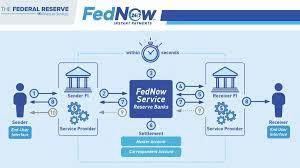
Here’s what happens when you send money using FedNow through your bank:
-
You start a payment in your bank’s app or website
-
Your bank checks that you have enough money
-
FedNow instantly clears and settles the payment
-
The recipient’s bank receives the money within seconds
The entire process happens almost immediately, with no waiting period.
FedNow also supports payment requests, which could make things like invoices or bill reminders easier and more efficient.
Do You Sign Up for FedNow?
No. Individuals and businesses cannot enroll directly.
FedNow is only available through banks and credit unions that choose to participate. If your bank supports it, the feature will be built into their existing online or mobile banking tools.
You may never even see the name “FedNow”—it simply powers the instant transfer in the background.
Why FedNow Could Be Helpful for Everyday People
FedNow isn’t just about speed—it’s about flexibility and financial control.
Faster Access to Your Money
If you live paycheck to paycheck, waiting several days for a deposit can be stressful. With FedNow, wages or benefits could arrive immediately, reducing the need for payday loans or credit card advances.
Easier Bill Payments
Instant payments make it easier to pay bills on time, even at the last minute, helping you avoid late fees.
Better Cash Flow Control
Because FedNow confirms funds before sending payments, it can help reduce overdrafts caused by delayed transactions.
Example:
You get paid Friday night instead of Monday morning. That extra time can mean paying rent on time or avoiding overdraft fees.
Potential Downsides to Know About
FedNow isn’t perfect—at least not yet.
-
Limited participation: Both banks involved must use FedNow
-
Mixed systems: Some payments may still go through ACH, which could cause timing issues
-
Transaction limits: The default payment cap is $100,000 (with a maximum allowed limit of $500,000)
If some of your payments are instant and others are delayed, it’s important to keep track of your balance carefully.
Is FedNow the Same as Zelle or Venmo?
Not exactly.
Apps like Zelle, Venmo, and Cash App are consumer-facing tools run by private companies. FedNow is payment infrastructure, not an app.
Think of it like this:
-
Zelle and Venmo are the cars
-
FedNow is the highway
Banks can use FedNow to move money instantly, just as apps do—but directly between bank accounts.
FedNow vs. Other Payment Systems
FedNow vs. RTP
Both systems offer instant payments. The key difference is ownership:
-
FedNow: Run by the Federal Reserve
-
RTP: Operated by a private bank network
FedNow vs. Fedwire
Fedwire also moves money in real time, but:
-
It only runs during business hours
-
It’s typically used for very large transfers
-
FedNow works 24/7 and has a transaction limit
Does FedNow Cost Consumers Money?
Banks pay fees to use FedNow, including:
-
A monthly participation fee
-
A small fee per transaction
Whether customers will pay fees depends on their bank. Some may offer FedNow transfers for free, while others could charge small fees.
Can FedNow Freeze Your Bank Account?
No. FedNow does not control individual bank accounts.
Your bank still manages your account, verifies funds, and handles fraud checks. FedNow simply moves the money once everything is approved.
What FedNow Means for the Future
As more banks and credit unions adopt FedNow, instant payments are likely to become normal—not special.
For consumers, that means:
-
Faster access to income
-
Fewer delays and surprises
-
More control over cash flow
While it won’t replace all payment systems overnight, FedNow is a big step toward a faster and more flexible banking experience.
The Bottom Line
FedNow is a powerful new payment system that allows money to move between banks in seconds, not days. You can’t sign up for it directly, but if your bank supports it, you’ll benefit from faster deposits, quicker bill payments, and better financial flexibility.
As instant payments become more common, FedNow has the potential to make everyday money management smoother, faster, and far less stressful for millions of Americans.