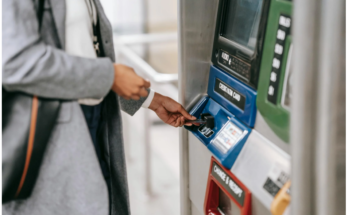
A savings account is a bank or credit union account designed to store money safely while earning compound interest. It is mainly used for saving rather than daily spending.
Key Characteristics
-
Provides a secure place to keep money
-
Pays interest on deposited funds
-
Money is usually not used for everyday transactions
-
Funds often need to be transferred to a checking account before use
How a Savings Account Works
When you deposit money into a savings account:
-
The bank uses your money to lend to individuals and businesses
-
In return, you earn interest
-
Interest is usually compounded, meaning interest is earned on both the principal and previous interest
In the U.S., savings accounts are insured by the FDIC up to $250,000 per depositor per bank.
Deposits and Withdrawals
You can:
-
Deposit or withdraw cash
-
Deposit checks
-
Transfer money between savings and checking accounts
-
Make electronic transfers between banks
-
Receive direct deposits
There is no limit on deposits, and withdrawal limits depend on bank policy.
Regulation D
-
Previously limited certain withdrawals to six per month
-
The rule was suspended in 2020
-
Banks may still impose their own limits
Opening a Savings Account
To open a savings account, you typically need:
-
To be 18 years or older
-
Valid identification
-
Required personal information
Savings accounts can be opened online or in person.
Costs and Fees
-
Many savings accounts are free
-
Some require a minimum balance
-
Fees may apply if minimum balance requirements are not met
Alternatives to Savings Accounts
-
Online savings accounts: higher interest rates, lower fees
-
Money market accounts: higher interest, easier access to funds
-
Certificates of Deposit (CDs): higher returns for fixed terms, early withdrawal penalties may apply
Please take a look at this as well:
How to Choose the Best High-Yield Savings Account