If you have a checking account, chances are you already have a check card even if you don’t realize it. Today, most people use check cards instead of writing paper checks or carrying large amounts of cash. They’re simple, fast, and widely accepted.
Here’s a clear, beginner-friendly explanation of what a check card is, how it works, and how it compares to other payment methods.
What Is a Check Card?
A check card is a payment card connected directly to your checking account. When you use it, the money comes straight out of your account balance.
You might also hear it called a debit card these terms mean the same thing.
Unlike a credit card, a check card doesn’t involve borrowing money. You’re spending your own funds, not using a loan from the bank.
Example
Let’s say you have $500 in your checking account.
-
You use your check card to buy groceries for $75.
-
Your account balance immediately drops to $425.
-
You don’t owe a bill later, and there’s no interest.
It works much like writing a check, but faster and easier.
What Can You Do With a Check Card?
A check card is extremely versatile. You can use it for everyday financial activities, including:
-
Paying in stores
-
Shopping online
-
Paying bills (utilities, subscriptions, medical bills)
-
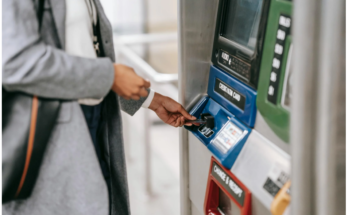
Withdrawing cash from ATMs
-
Getting cash back at stores during purchases
Because check cards are widely accepted, they’ve largely replaced paper checks in daily life.
How Check Cards Work
Every time you use your check card, the bank checks whether you have enough money in your account. If you do, the payment goes through. If not, the transaction may be declined or trigger an overdraft fee.
You can only spend what you actually have unless your bank allows overdrafts.
Using a Check Card in Stores
When you pay in person, you usually have three options:
1. Insert or Tap Your Card
Most modern cards have chips or contactless tap features. You simply:
-
Insert the card into the reader or tap it
-
Enter your PIN (Personal Identification Number), or
-
Sign a receipt
Your PIN acts like a password. It confirms that you authorized the transaction.
2. Choosing “Debit” or “Credit”
This can confuse beginners.
Even when selecting “credit,” you are NOT borrowing money. The funds still come from your checking account.
The difference is:
-
Debit: You enter your PIN.
-
Credit: You sign instead of using your PIN.
Both options deduct money from your account.
Using a Check Card Online or Over the Phone
You can also use your check card for online purchases, such as buying clothes, booking flights, or paying bills.
You’ll need to enter:
-
Your name
-
Card number
-
Expiration date
-
Security code (CVV)
-
Billing ZIP code
Unlike in-store debit transactions, you don’t enter your PIN online. The payment still comes directly from your bank account.
Example
You order a $40 pair of shoes online using your check card. The $40 is automatically withdrawn from your checking account.
Withdrawing Cash With a Check Card
Check cards also let you withdraw money from your account.
You can get cash from:
-
ATMs
-
Bank branches
-
Retail stores (cash back option)
ATM Example
If you withdraw $100 from an ATM, your checking account balance decreases by $100 immediately.
Be aware that using ATMs outside your bank’s network may result in fees.
Check Card vs. Credit Card: Key Differences
Many people confuse these two cards, but they work very differently.
| Feature | Check Card | Credit Card |
|---|---|---|
| Source of money | Your bank account | Borrowed from bank |
| Interest charges | None | Yes, if balance not paid |
| Monthly bill | No | Yes |
| Credit score impact | No | Yes |
| Spending limit | Your account balance | Bank-assigned limit |
A check card helps you avoid debt because you can’t spend money you don’t have.
Advantages of Using a Check Card
Check cards offer several important benefits.
1. No Interest or Debt
Because you’re spending your own money, there’s no interest to worry about.
2. Easy Access to Your Money
You can quickly pay for things or withdraw cash anytime.
3. No Approval Requirements
If you open a checking account, your bank usually gives you a check card automatically.
4. Convenient and Widely Accepted
Most stores, restaurants, and online retailers accept check cards.
Potential Downsides to Be Aware Of
Check cards are convenient, but they do have some risks.
1. Direct Access to Your Bank Account
If someone steals your card and uses it, they’re taking money directly from your account. While banks usually investigate fraud, recovering funds can take time.
2. Temporary Holds on Your Money
Some businesses temporarily freeze part of your balance.
For example:
-
A hotel might place a $200 hold for a $120 room
-
The extra money becomes unavailable temporarily
This doesn’t mean you’re charged extra it’s just reserved until the final amount is processed.
Do You Need a Check Card?
If you have a checking account, having a check card is extremely useful.
It allows you to:
-
Pay without carrying cash
-
Shop online
-
Withdraw money easily
-
Handle daily expenses conveniently
Most people rely on check cards as their primary payment method.
Alternatives to Check Cards
If you prefer not to use a check card, you still have options.
Cash
Accepted almost everywhere, but less secure if lost.
Credit Cards
Offer rewards and help build credit, but can lead to debt if misused.
Personal Checks
Still available, but many businesses no longer accept them.
Prepaid Debit Cards
Work like check cards but aren’t connected to a bank account. You load money onto them in advance.
Final Thoughts
A check card is one of the most practical financial tools you can have. It gives you fast, easy access to your money without the risk of accumulating credit card debt.
Think of it as a digital version of cash safe, convenient, and widely accepted.
For beginners, using a check card is often the simplest and safest way to manage everyday spending while staying in control of your finances.
Please take a look at this as well:
How to Close a Checking Account: A Simple Step-by-Step Guide for Beginners