When you receive a check, your first thought is probably simple: How do I get this money as fast as possible?
The answer depends on a few things where you go, what kind of check it is, and whether you have a bank account.
In this guide, I’ll walk you through the fastest and safest ways to cash a check in the U.S., using plain language and real-world examples.
Cashing vs. Depositing: What’s the Difference?
Before choosing what to do, you need to understand your two basic options.
Cashing a Check
When you cash a check, you receive physical cash immediately. You walk out with money in your pocket and can use it right away.
Example:
You receive a $500 check for freelance work and need cash today to pay rent. Cashing it gives you instant access.
But here’s the catch:
-
You may have to pay a fee.
-
Some places won’t cash large checks.
-
If the check bounces, you’re still responsible.
Depositing a Check
Depositing means putting the check into your bank account.
You can deposit:
-
In person at a branch
-
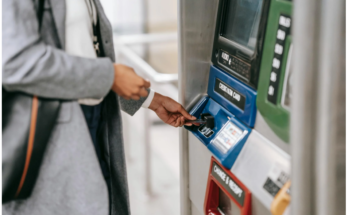
At an ATM
-
Through your bank’s mobile app
Most banks allow mobile deposits 24/7 even at midnight from your couch. However, the bank may place a temporary “hold” on part of the funds.
For most personal checks, banks are required to make at least the first $200 available by the next business day. The rest may take a few days to fully clear.
If you don’t need cash immediately, depositing is usually safer and easier.
The Type of Check Matters
Not all checks are treated the same.
Here’s a general breakdown:
Personal Checks
These are written by individuals. They usually take longer to fully clear.
Banks typically make the first $200 available quickly, but the rest may be delayed.
Government Checks
Examples include tax refunds or Social Security payments.
Government-issued checks are usually available faster often 100% available within one business day.
Cashier’s Checks
Issued directly by a bank and backed by the bank’s funds. These are considered safer than personal checks and often clear more quickly.
Payroll Checks
If it’s from a local employer your bank recognizes, it may be processed faster.
Fastest Option: Go to the Check Writer’s Bank
If speed is your top priority, your best bet is to visit the bank that issued the check.
For example, if the check is drawn from Bank of America, go to a Bank of America branch.
Why this works:
-
The bank can verify the funds immediately.
-
The money comes directly from the check writer’s account.
-
You reduce the risk of the check bouncing later.
What to Bring
-
Government-issued photo ID
-
The endorsed check (sign the back)
Possible Downsides
-
If you’re not a customer, they may charge a small fee.
-
They might refuse very large checks.
-
Some branches carry limited cash on hand.
Still, this is often the quickest and safest way to walk away with cash.
Cashing at Your Own Bank
If you have a bank account, this is usually the easiest option.
Your bank will typically:
-
Cash the check for free
-
Let you access up to $200 quickly
-
Deposit the rest while it clears
However, remember this important rule:
If the check bounces, you must repay the money plus a fee that can be around $30–$35.
Example:
Your friend writes you a $600 check. You deposit it and withdraw $200 the next day. If the check later bounces, your bank will reverse the deposit and charge a fee.
If you trust the person who wrote the check, this is usually a safe option.
Can You Cash a Check at an ATM?
Sometimes but not always.
Some ATMs allow:
-
Check deposits
-
Immediate partial withdrawals
Others only accept deposits and won’t give you cash on the spot.
Even if you use an ATM, the bank may still place a hold on part of the funds. So it’s usually not the fastest option for large amounts.
Retail Stores and Check-Cashing Services
If you don’t have a bank account or your bank is closed, you may have other options.
Large Retailers
Some grocery stores, convenience stores, and big-box retailers cash:
-
Government checks
-
Payroll checks
-
Small personal checks
They usually charge a small flat fee and limit how much they’ll cash.
Check-Cashing Stores
These businesses specialize in cashing checks and are often open late.
But be careful:
They typically charge a percentage of the check amount. On a $1,000 check, that could mean losing $30–$50 or more.
If speed is critical and you don’t have a bank account, this may be your only option but it’s expensive.
What About Post-Dated Checks?
A post-dated check has a future date written on it.
Technically, banks often process them even if the date hasn’t arrived yet. But if someone post-dates a check, it’s usually because they don’t have enough money in their account yet.
If you cash it too early, there’s a higher risk it could bounce.
If you trust the person, you might wait. If not, proceed cautiously.
Frequently Asked Questions
Can I cash a check without a bank account?
Yes. Your main options are:
-
The check writer’s bank
-
Retailers
-
Check-cashing stores
Expect to pay a fee in most cases.
How long is a check valid?
Most checks are good for six months. After that, banks may refuse to honor them.
It’s always best to cash or deposit a check as soon as possible.
Can I cash a check made out to someone else?
Only if they properly sign it over to you.
They must write:
“Pay to the order of [Your Name]”
Then sign underneath. You’ll also need to sign when cashing it. Some banks require both people to be present.