Depositing money used to mean standing in line at your local bank branch. Today, you can skip the teller and use a deposit-enabled ATM instead.
If you’ve never done it before, don’t worry. Depositing cash or checks at an ATM is usually quick and simple. In this guide, I’ll walk you through exactly how it works, when your money becomes available, and what to watch out for.
Can You Deposit Money at Any ATM?
Not all ATMs accept deposits.
Some machines only allow withdrawals and balance checks. Before heading out, make sure:
-
The ATM supports deposits
-
The ATM works with your bank
For example, if you bank with Chase Bank, you can deposit at Chase ATMs. But you typically can’t deposit cash at an ATM owned by another bank like Bank of America, unless there’s a special partnership (which is rare for deposits).
The easiest way to check? Use your bank’s website or mobile app to find a deposit-enabled ATM near you.
When Should You Use an ATM Instead of Mobile Deposit?
Mobile deposit is great for checks. You just take a photo using your bank’s app and submit it.
But there are situations where an ATM makes more sense:
-
You’re depositing cash (apps can’t do that)
-
You want your check processed faster
-
Your mobile deposit limit is too low
-
You prefer a printed receipt
Example:
If you receive $600 in cash from selling furniture, you’ll need to visit an ATM or branch. There’s no way to deposit paper money through your phone.
What to Bring With You
Before you leave, make sure you have:
-
Your debit card
-
Your PIN
-
The cash or checks you want to deposit
-
A pen (for endorsing checks, just in case)
Some banks still require envelopes for deposits, but many modern ATMs now allow envelope-free deposits, which are faster and more convenient.
Step-by-Step: How to Deposit Cash or Checks at an ATM
Here’s what the process usually looks like:
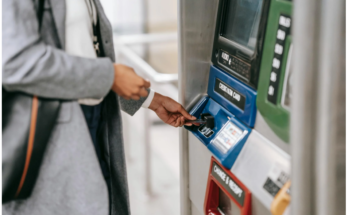
1. Insert Your Debit Card
Enter your PIN when prompted.
2. Choose “Deposit”
Select the deposit option from the screen.
3. Select Account Type
Choose checking or savings.
4. Insert Cash or Checks
Depending on the machine, you may:
-
Insert items one by one
-
Insert a stack of bills or checks
Many newer ATMs can scan up to 30 items at once.
5. Confirm the Amount
The ATM will count your cash or scan your checks and display the total.
Always double-check the amount before confirming.
6. Get Your Receipt
Request a receipt especially if depositing checks. Many ATMs now print images of the checks on the receipt, which is helpful for your records.
Before walking away:
-
Make sure your transaction is complete
-
Confirm your card is returned
-
Ensure the screen has logged you out
When Will Your Money Be Available?
This depends on what you deposit.
Cash Deposits
Cash is usually available:
-
Immediately, or
-
By the next business day
Check Deposits
Checks often follow this timeline:
-
The first $200 may be available within 1–2 business days
-
The remaining amount may take a few additional business days
Each bank has its own funds availability policy. If you need the money urgently for example, to cover rent it’s smart to check your bank’s rules ahead of time.
What Is an ATM Deposit Hold?
A deposit hold means your bank temporarily restricts access to part or all of your deposit while they verify it.
This is common with checks. It protects the bank in case the check bounces or is fraudulent.
If you deposit $1,000 by check, you may only see $200 available at first. The rest will unlock after the hold period ends.
Are There Limits on ATM Deposits?
There’s usually no strict dollar limit for cash deposits at ATMs. However:
-
Some machines limit the number of bills per transaction
-
There may be a maximum number of checks you can insert at once
If you’re depositing a large amount, the ATM may require multiple transactions.
Safety Tips When Depositing at an ATM
Depositing cash means carrying money in public, so be smart about safety.
-
Use ATMs in well-lit areas
-
Avoid depositing late at night if possible
-
Be aware of your surroundings
-
Shield the keypad when entering your PIN
If someone nearby makes you uncomfortable, leave and find another ATM.
If you deposit cash regularly (for example, from a small side business), avoid going at the same time every week so no one can track your routine.
What Can Go Wrong?
While rare, issues can happen:
-
The ATM miscounts your cash
-
The machine keeps your card
-
A deposit doesn’t show up immediately
If something looks wrong, keep your receipt and contact your bank right away. Most banks can review ATM camera footage and transaction logs to resolve the issue.
What About Online Banks?
If you use an online-only bank, cash deposits can be trickier.
Some online banks partner with ATM networks that accept deposits. Others may require you to deposit cash through a linked external bank account first.
For example, certain online banks allow deposits through select ATM networks, but not all machines support this. Always confirm before heading out.
Is an ATM or Teller Better?
If you need access to funds immediately especially from a large check speaking directly with a teller inside a branch may be faster.
But if the branch is closed or you’re short on time, a deposit-enabled ATM can be a convenient alternative, especially since many banks allow late evening deposits to count toward the same business day.
Please take a look at this as well:
Money Orders vs. Cashier’s Checks: What’s the Difference and When Should You Use One?