Getting paid with a check might feel old-fashioned, but it’s still common in the U.S. Whether it’s a paycheck, a tax refund, or a birthday gift from Grandma, you’ll need to decide: Should you cash it or deposit it?
This guide walks you through how to cash a check, where to go, what fees to expect, and how to avoid common mistakes all in plain English.
The Easiest Way to Cash a Check
If you have a bank or credit union account, that’s your best option.
Here’s how it works:
-
Go to your bank or credit union.
-
Sign the back of the check (this is called “endorsing” it).
-
If you’re depositing, fill out a deposit slip (the teller can help).
-
Show a valid photo ID.
-
Receive your cash and put it away safely before leaving.
Most banks won’t charge you to cash or deposit a check if you’re an account holder.
What If You Don’t Have a Bank Account?
You still have options but some cost more than others.
1. Go to the Bank That Issued the Check
Look at the front of the check. You’ll see the name of the bank where the check writer has their account (for example, Bank of America or Wells Fargo).
That bank may cash the check for you even if you’re not a customer. However, they often charge a fee.
Why this can work well:
That bank can instantly confirm whether the check writer has enough money in their account. That means you might get the full amount right away.
2. Grocery Stores and Supermarkets
Many grocery chains offer check-cashing services at customer service desks. Fees are usually low often just a few dollars.
This can be cheaper than a dedicated check-cashing store.
3. Check-Cashing Stores (Use With Caution)
Payday loan shops and check-cashing stores will almost always cash your check. The downside? High fees.
For example, if they charge 2% on a $1,000 check, that’s $20 gone instantly.
If you receive checks regularly, opening a basic bank account will almost always save you money over time.
4. Prepaid Debit Cards
Some prepaid cards let you deposit checks using your phone. You take a picture of the check, and the money loads onto your card.
However:
-
You may have to wait for the check to clear.
-
Some cards charge fees.
-
Not all funds may be available immediately.
When Will You Actually Get Your Money?
This is where many people get confused.
Even if you cash or deposit a check today, that doesn’t mean all the money is available immediately.
In general:
-
If you deposit $200 or less in person at your bank, you can usually access it the next business day.
-
Larger checks may take a few days.
-
ATM deposits often take longer than deposits made with a teller.
Banks are required to make at least part of your money available quickly, but they can hold the rest until the check officially “clears.”
What Does “Check Clearing” Mean?
When you deposit a check, your bank must collect the money from the writer’s bank. That process takes time.
If the check “bounces” (meaning there’s not enough money in the account), your bank will reverse the deposit even if you already spent the money.
That’s why banks sometimes limit how much cash you can take right away.
Should You Cash the Check or Just Deposit It?
You don’t always need cash in hand.
In many cases, it’s smarter to deposit the check and leave the money in your account.
Why?
-
Your money stays safer in the bank.
-
You won’t risk losing cash.
-
You can use your debit card to spend only what you need.
-
You can deposit checks using your phone without visiting a branch.
If you plan to spend the money immediately (like paying rent), cashing it might make sense. Otherwise, depositing is usually easier and safer.
Be Careful of Fake Check Scams
Fake checks are a common scam in the U.S.
Here’s how it usually works:
-
Someone sends you a check.
-
They tell you to deposit it quickly.
-
They ask you to send part of the money back (via wire transfer, gift cards, or cash).
-
Weeks later, the check turns out to be fake.
-
You owe the bank the full amount.
If something feels rushed or suspicious, slow down.
When in doubt:
-
Take the check directly to the issuing bank.
-
Ask your bank to review it.
-
Wait until the check fully clears before spending the money.
Can You Cash a Check Without ID?
Usually, no.
Banks and check-cashing services typically require a valid government-issued photo ID.
If you’ve lost your ID:
-
Deposit the check using mobile deposit (if you have an account).
-
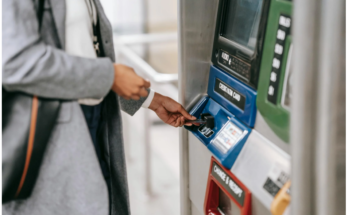
Deposit it at an ATM.
-
As a last resort, you may be able to sign it over to someone you trust but many banks refuse third-party checks.
How Long Does It Take to Cash a Check?
The physical act of cashing a check takes just a few minutes.
But full access to all funds can take:
-
1 business day for small checks
-
Several business days for larger checks
-
Up to a week in some cases
Every bank has its own availability policy.