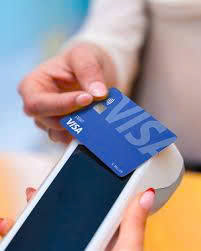
A prepaid debit card can be a useful money tool if you don’t want to use a traditional bank account or credit card. Many people use them to pay bills, shop online, or manage spending. But how do they actually work, and what can (and can’t) you do with them?
Let’s break it down in plain English.
Can You Pay Bills With a Prepaid Debit Card?
Yes—you can pay bills with a prepaid debit card as long as there’s enough money loaded onto the card and the company you’re paying accepts that type of card.
Most prepaid debit cards are issued on major payment networks like Visa, Mastercard, Discover, or American Express. Whether your payment goes through usually depends on whether the biller accepts that network.
For example:
-
If your prepaid card is a Visa, you can usually use it anywhere Visa debit cards are accepted.
-
Store gift cards, on the other hand, usually only work at that specific store and can’t be used to pay general bills like rent or utilities.
If accepted, prepaid cards can be used to pay bills:
-
Online through a company’s website
-
Over the phone with customer service
-
By mail, using a payment form included with a paper bill
Most bill payments don’t come with extra fees, though some companies may charge for phone payments or same-day processing.
How to Get a Prepaid Debit Card
Prepaid debit cards are easy to find. You can buy them:
-
At retail stores like Walmart, Target, or Walgreens
-
Online through card issuers’ websites
-
Through certain services, such as tax preparation companies that load your tax refund onto a prepaid card
Buying one is similar to buying a gift card—you either choose a set amount or load the amount you want.
Once you have the card, you’ll need to:
-
Register it
-
Activate it
-
Set up an online account
This online account is where you’ll manage everything.
What You Can Do With a Prepaid Debit Card
Through your online account, you can usually:
-
Check your balance
-
Review transactions
-
See pending charges or holds
-
Update personal information
Some prepaid cards also allow:
-
One-time or recurring bill payments
-
Transfers to another prepaid card of the same brand
-
Reloading money online or at participating stores
A big plus is security. Since prepaid cards aren’t linked to your bank account, losing one is less risky. If it’s stolen, you can call customer service and lock the card.
Special Features Some Prepaid Cards Offer
Not all prepaid cards are the same. Each card issuer sets its own rules and features.
Some examples:
-
Certain cards let you pay bills directly through the issuer’s website
-
Some Visa or Mastercard prepaid cards allow transfers between cards of the same brand
-
A few prepaid cards support money transfers through services like Western Union (fees may apply when sending money)
However, most prepaid cards do not allow transfers between different card brands or between prepaid cards and regular credit cards.
What You Can’t Do With a Prepaid Card
Prepaid debit cards have limits. Most importantly:
-
You cannot borrow money with them
-
You can only spend what’s already loaded onto the card
-
They do not help build credit, because activity isn’t reported to credit bureaus
Think of a prepaid card like a digital wallet—not a loan or credit tool.
Where Can You Use a Prepaid Debit Card?
Since prepaid debit cards are backed by major networks, they’re accepted in most places that take debit cards, including:
-
Online stores
-
Utility companies
-
Streaming services
-
Phone and internet providers
For example, a Visa prepaid card can generally be used anywhere Visa debit is accepted—for shopping, bill payments, or even cash withdrawals.
The Bottom Line
Prepaid debit cards are a convenient option for paying bills and managing money without a bank account. As long as the card’s network is accepted and you have enough funds loaded, paying bills is usually straightforward.
That said, prepaid cards aren’t perfect. They don’t help build credit, and some features may come with fees. Still, for budgeting, controlling spending, or handling everyday payments, they can be a simple and practical solution—especially for beginners.