If you’re holding onto extra cash, putting it into a bank account is usually the smartest move. Cash can be lost, stolen, or damaged, while money in a bank is protected and easier to use. The good news? You have several ways to deposit cash, whether you use a traditional bank, an ATM, or even an online-only bank.
Let’s break down your options step by step in plain English.
Depositing Cash at a Local Bank Branch
If you have an account at a traditional bank or credit union, the easiest option is to visit a branch and deposit your cash with a teller.
This method is straightforward:
-
Hand your cash to the teller
-
Confirm the amount
-
Get a receipt for your records
In most cases, the money shows up in your account right away. That means you can pay bills, transfer funds, or use your debit card almost immediately. While banks are allowed to place short holds on deposits, cash given directly to a teller is usually available very quickly.
If you deposit cash into a savings account, you’ll also start earning interest right away small, but better than earning nothing in your wallet.
Extra Flexibility With Credit Unions
Credit unions offer a unique perk called shared branching. If your credit union participates, you can deposit cash at many partner branches nationwide, not just your home location.
This is especially helpful if:
-
You’ve moved
-
You’re traveling
-
There isn’t a nearby branch from your original credit union
Just bring your ID and account details, and you’re good to go.
Using an ATM to Deposit Cash
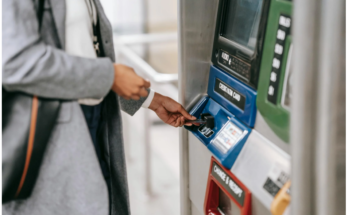
Many ATMs now accept cash deposits, which is great if you can’t make it to a branch during business hours.
How ATM Cash Deposits Work
Most ATMs follow a similar process:
-
Insert your debit card and enter your PIN
-
Choose “Deposit”
-
Select the account (checking or savings)
-
Insert your cash
Some ATMs count the bills instantly, while others require you to place the cash in an envelope. Always double-check the deposit amount shown on the screen before finishing the transaction.
When Will the Money Be Available?
ATM deposits are convenient, but the funds may not be available immediately. Banks often place a short hold sometimes a day or longer especially if the ATM isn’t owned by your bank. If you need access to the money right away, depositing with a teller is usually safer.
Depositing Cash Into an Online Bank Account
Online banks don’t have branches, which makes cash deposits trickier but not impossible.
Option 1: Use Another Bank as a Middleman
You can deposit cash into a local bank or credit union account, then transfer the money to your online bank using an ACH transfer. This is free but may take a day or two.
Wire transfers are faster, but they often come with fees that can reach $30 or more.
Option 2: ATM Networks
Some online banks partner with large ATM networks that accept cash deposits. Check your bank’s app or website to see which ATMs you can use near you.
Option 3: Prepaid Debit Cards
Certain prepaid debit cards allow you to load cash at stores like Walmart or major pharmacies. You can then transfer that money electronically to your online bank.
Just watch out for fees. Some cards charge for:
-
Loading cash
-
Monthly maintenance
-
Transfers
Option 4: Money Orders
Another workaround is buying a money order with cash and depositing it into your bank account. Some banks allow you to mail it in or deposit it using a mobile app.
Money orders cost a small fee and take extra time, but they’re safer than mailing cash.
Understanding Deposit Slips
When depositing cash at a branch, you’ll often need a deposit slip. This form tells the bank where the money should go.
You’ll typically fill in:
-
Your name
-
Your account number
-
The cash amount
Deposit slips are usually available in the lobby or drive-through.
Never Mail Cash
This is important: never send cash through the mail. If it gets lost or stolen, there’s no way to recover it.
If mailing is your only option, use a money order instead. Money orders can be tracked and canceled if something goes wrong, which makes them far safer than cash.
Reduce the Need for Cash Deposits
If depositing cash feels like a hassle, consider using cashless payment options instead.
Popular alternatives include:
-
Zelle (often built into your bank app)
-
PayPal for online payments
-
Venmo for quick peer-to-peer transfers
These tools let you receive money electronically, eliminating the need to handle cash at all.
Frequently Asked Questions
How do you deposit a large amount of cash?
The process is the same as a small deposit, but depositing in person is usually best. A teller can confirm the amount on the spot and fix any errors immediately. Businesses often use secure deposit bags or overnight drop boxes for large cash deposits.
Can you deposit cash into someone else’s bank account?
Sometimes. Many banks allow cash deposits into another person’s account if you visit a branch and provide their account details. If that’s not allowed, digital payment services like Zelle, PayPal, or Venmo are good alternatives.