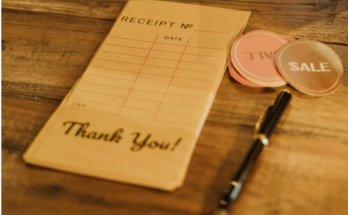
Duplicate checks are a special type of checkbook that automatically creates a copy of every check you write. When you write a check, a thin sheet of paper behind it records the same information. That extra sheet stays in your checkbook as a built-in record.
In simple terms, duplicate checks let you keep a paper trail of your payments without having to write everything down twice.
How Duplicate Checks Work
Duplicate checks look almost identical to regular (single) checks. The difference is what’s behind each check.
Here’s how it works:
-
Each check has a thin carbon sheet attached behind it.
-
When you write a check, the pressure from your pen transfers the information onto that sheet.
-
After you tear out the original check to give to someone, the copy stays in your checkbook.
The duplicate copy shows:
-
Who you paid
-
The date
-
The amount
-
Any memo you included (for example, “January rent”)
Most duplicate checks are designed so your signature does not fully transfer to the copy. That adds a layer of protection in case your checkbook is lost or stolen.
A Simple Example
Let’s say you write a $750 check to your landlord for rent. Once you tear out the check and hand it over, the copy remains in your book. Months later, if you’re wondering whether you paid rent in March, you can flip through your checkbook and see the exact details.
You don’t need to log into your bank account or request copies from your bank it’s all there on paper.
Where to Buy Duplicate Checks
You can usually order duplicate checks:
-
Directly from your bank
-
Through your bank’s website
-
From reputable third-party check printing companies online
Many online check printers offer lower prices than banks, so it’s often worth comparing costs before ordering.
Just make sure you use a trusted company with secure printing standards to protect your banking information.
Pros and Cons of Duplicate Checks
Like most financial tools, duplicate checks have advantages and disadvantages.
Pros
1. Easy recordkeeping
The copy is created automatically as you write. There’s nothing extra to do.
2. You control your records
You can keep your checkbook for years and store it wherever you like. No need to rely on a bank’s online system.
3. Offline access
If you don’t use online banking much or prefer paper records duplicate checks give you instant access without logging into anything.
Cons
1. Security risks
Duplicate checks contain sensitive information:
-
Your bank routing and account number
-
Where you spend money
-
How much you pay
If someone gets access to your old checkbooks, they could misuse that information.
2. Higher cost
Duplicate checks usually cost more than single checks because of the added carbon copies.
3. Checks are less common today
In the U.S., many people now pay bills online, use debit cards, or send money digitally. If you rarely write checks, paying extra for duplicates may not make sense.
Are Duplicate Checks Still Necessary?
For many Americans, online banking has replaced the need for paper copies. Banks now provide detailed transaction histories through their websites and mobile apps.
For example, if you pay your utility bill online, your bank automatically stores:
-
The payee
-
The payment amount
-
The date
-
Confirmation numbers
However, online systems may not keep unlimited history. Some banks only allow access to 12–24 months of transactions unless you download statements regularly.
If you prefer having physical records or don’t fully trust digital storage, duplicate checks may still be appealing.
Alternatives to Duplicate Checks
If you like the idea of tracking your payments but want other options, here are a few alternatives:
1. Online Bill Pay
Most banks offer online bill pay. It automatically creates an electronic record of each payment, and you can search by date or payee.
2. Downloading Bank Statements
You can regularly download your transaction history as a PDF or spreadsheet and store it securely on your computer or external drive.
3. Taking Photos of Checks
Before handing over a check, you can snap a photo with your phone. Just make sure you store those images in a secure, password-protected location.
4. Using a Check Register
A check register (paper or digital) lets you manually record:
-
Check number
-
Date
-
Payee
-
Amount
-
Remaining balance
This method doesn’t copy the full check, but it helps prevent overdrafts and keeps your spending organized.
Duplicate Checks vs. Single Checks: What’s the Difference?
The actual check you give someone looks the same whether it’s single or duplicate.
The only difference is this:
-
Single checks: No built-in copy.
-
Duplicate checks: Include a carbon sheet that records what you write.
If you want automatic paper records, choose duplicates. If you don’t need that feature, single checks are cheaper and simpler.
How to Safely Dispose of Duplicate Checks
Because duplicate checks contain sensitive financial information, you should never throw them in the trash.
Best practices include:
-
Shredding them with a cross-cut shredder
-
Using a professional document destruction service if you have years of old checkbooks
-
Storing them securely until disposal
Treat them the same way you would old bank statements or tax documents.
Please take a look at this as well:
How to Use a Debit Card With PayPal (Step-by-Step Guide for Beginners)