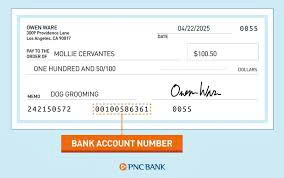
A bank account number is a unique set of numbers that identifies your specific bank account. Think of it like your account’s ID—it tells banks exactly where money should be sent or taken from.
Anytime you receive a paycheck by direct deposit, pay bills online, transfer money, or write a check, your bank account number plays a key role. Because it connects directly to your money, it’s also something you should protect carefully.
Why Bank Account Numbers Are So Important
Your bank account number works together with your bank’s routing number to make sure money moves correctly. Without the right account number, payments could go to the wrong person—or not go through at all.
For example:
-
Your employer uses your account number to deposit your paycheck.
-
Utility companies use it to pull monthly payments.
-
Banks use it to track deposits, withdrawals, and transfers tied to your account.
In short, it’s one of the most important numbers in your financial life.
Where to Find Your Bank Account Number
You can usually find your bank account number in a few common places:
-
On a paper check (if you have one)
-
On your bank statement (paper or online)
-
Inside your online banking account
-
By visiting your bank branch and asking for help
Finding Your Account Number on a Check
If you look at the bottom of a check, you’ll see three sets of numbers:
-
The routing number (first group on the left)
-
Your account number (middle group)
-
The check number (last group)
The middle set is your bank account number.
How Long Is a Bank Account Number?
Most bank account numbers are between 8 and 12 digits, but some can be longer—up to around 17 digits. The length depends on the bank.
Important note:
Your bank account number is not the same as your debit card or credit card number.
Bank Account Number vs. Routing Number
These two numbers often appear together, but they serve different purposes:
-
Routing number: Identifies the bank or credit union itself
-
Account number: Identifies your specific account at that bank
You need both for things like direct deposit, wire transfers, and automatic bill payments.
How Bank Account Numbers Are Used Every Day
Here are a few real-life examples:
-
Your paycheck is deposited directly into your account
-
You set up automatic rent or mortgage payments
-
You transfer money between checking and savings
-
You receive a tax refund from the IRS
In all these cases, your bank account number ensures the money ends up in the right place.
Keeping Your Bank Account Number Safe
Because your account number gives access to your money, it’s a target for fraud and identity theft. That’s why banks use multiple layers of security.
Common Protection Methods Include:
-
Strong passwords for online banking
-
Multifactor authentication (MFA), such as one-time codes or fingerprints
-
Security questions for account changes
-
Encrypted storage of account data by banks and businesses
As a consumer, you can help protect yourself by:
-
Avoiding sharing your account number unless necessary
-
Using password managers
-
Watching for suspicious emails or messages
-
Monitoring your bank statements regularly
What to Do If You Can’t Find Your Account Number
If you can’t locate your account number online or on paper:
-
Log in to your bank’s website or app
-
Call your bank’s customer service line
-
Visit a local branch with a valid ID
Banks will verify your identity before giving you access to this information.
Why Protecting Your Account Number Matters
Financial fraud has become more advanced, especially with online banking and digital payments. A stolen account number can be used to make unauthorized withdrawals or payments.
Being cautious with your bank information is one of the easiest ways to protect your money and your identity.
The Bottom Line
A bank account number is a unique identifier that allows banks to process payments, deposits, and transfers accurately. You’ll find it on checks, bank statements, and online banking platforms, and it’s essential for managing your finances.
Because it’s so powerful, protecting your bank account number is just as important as protecting your password. Using strong security habits and staying alert can help keep your money safe in today’s digital world.