If you’ve ever handed cash to a bank teller, used mobile check deposit, or received your paycheck by direct deposit, you’ve made a deposit.
In simple terms, a deposit means putting money into a bank or credit union so it can be kept safe and available when you need it.
But deposits can mean more than just adding money to your account. Let’s break it down in plain English.
What Does “Deposit” Mean?
In banking, a deposit happens when you place money into a financial institution like a bank or credit union for safekeeping.
Once the money is deposited, the bank holds it for you. You can usually:
-
Spend it with a debit card
-
Pay bills online
-
Write checks
-
Transfer money
-
Withdraw cash
In some situations, a “deposit” can also refer to something valuable the bank holds for you, such as items stored in a safe deposit box.
Common Types of Deposits
Not all deposits work the same way. Here are the most common ones you’ll come across.
1. Cash Deposits
This is the most straightforward type. You physically bring cash to a bank branch or ATM and add it to your account.
Example:
You earn $200 babysitting and take it to your bank. The teller deposits it into your checking account. That’s a cash deposit.
2. Deposit Accounts
A deposit account is any bank account that allows you to put money in and take money out.
Common examples include:
-
Checking accounts
-
Savings accounts
-
Money market accounts
These accounts are designed for everyday use and easy access.
3. Demand Deposits (Checking Accounts)
Money in a checking account is typically available “on demand.” That means you can access it whenever you want.
Because of this flexibility, checking accounts are sometimes called demand deposit accounts.
You can use the money immediately for:
-
Debit card purchases
-
ATM withdrawals
-
Online bill payments
4. Certificates of Deposit (CDs)
A Certificate of Deposit (CD) works differently.
With a CD:
-
You agree to leave your money in the bank for a set period (like 6 months or 1 year).
-
In return, the bank pays you a fixed interest rate.
-
You get your original deposit plus interest when the term ends (this is called “maturity”).
Example:
You deposit $5,000 into a 12-month CD at 4% interest. After one year, you get your $5,000 back plus the interest earned.
CDs are also called time deposits because your money is locked in for a specific time.
5. Security Deposits
Outside of banking, you’ve probably heard of security deposits.
For example:
-
When renting an apartment
-
When setting up certain utility services
The landlord or company holds your money in case of damage or unpaid bills. If everything is fine, you usually get it back.
Are Bank Deposits Safe?
Yes within limits.
Most deposits at U.S. banks are insured by the Federal Deposit Insurance Corporation (FDIC).
FDIC insurance typically covers:
-
Up to $250,000
-
Per depositor
-
Per bank
-
Per account ownership category
If a bank fails, the government protects your insured funds up to those limits.
If you use a credit union instead of a bank, deposits are insured by the National Credit Union Administration (NCUA) through the National Credit Union Share Insurance Fund, which provides similar protection.
For most everyday customers, this means your money is very safe.
How to Make a Deposit
There are several easy ways to deposit money today.
1. In Person at a Bank Branch
You can:
-
Hand cash or checks to a teller
-
Fill out a deposit slip (sometimes optional now)
-
Get a receipt for your records
If you’re depositing a check, you’ll need to sign the back (this is called endorsing it).
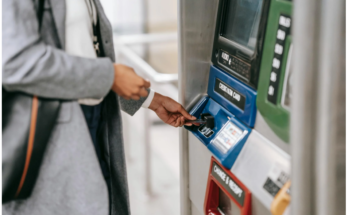
2. At an ATM
Many ATMs allow deposits. Some even scan your check instead of requiring envelopes.
Always follow the on-screen instructions carefully.
3. By Mail
You can mail checks or money orders to your bank but never send cash through the mail. If cash is lost or stolen, it’s almost impossible to recover.
4. Direct Deposit (Electronic Deposit)
This is one of the most common methods today.
If your employer offers direct deposit, your paycheck is sent electronically to your bank account. You don’t have to do anything the money shows up automatically.
In many cases, funds are available right away.
5. Mobile Check Deposit
Most banks let you deposit checks using your smartphone:
-
Sign the back of the check
-
Open your bank’s app
-
Take a photo of the front and back
-
Submit
It’s convenient, especially if you don’t want to visit a branch.
Why You Might Not Access Your Money Immediately
Sometimes deposits aren’t available for spending right away.
Banks may place a hold on certain deposits especially personal checks to make sure the funds actually clear.
Here’s why that matters:
If you spend money before the check officially clears and it turns out the check bounces, you could:
-
Owe the bank money
-
Pay overdraft fees
-
Have transactions declined
Government checks and wire transfers usually clear faster than personal checks.
If you’re unsure, ask your bank about its funds availability policy.
Please take a look at this as well:
What Is a Voided Check? A Simple Guide for Beginners