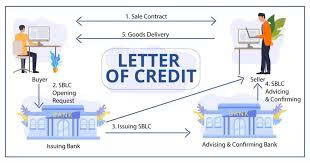
A letter of credit is a financial tool that helps buyers and sellers do business safely—especially when they don’t know each other well or are located in different countries. In simple terms, it’s a promise from a bank that a seller will get paid, as long as the seller meets the agreed conditions.
Letters of credit are most commonly used in international trade, where distance, different laws, and unfamiliar business practices can make transactions risky. By involving a bank as a trusted middleman, both sides gain peace of mind.
How a Letter of Credit Works
Think of a letter of credit as a safety net.
-
The buyer asks their bank to issue a letter of credit.
-
The bank guarantees payment to the seller.
-
The seller ships the goods and provides the required documents.
-
Once the conditions are met, the bank releases the payment.
If the buyer can’t pay for some reason, the bank steps in and pays the seller instead. That’s what makes letters of credit so valuable in high-dollar or cross-border transactions.
Before issuing a letter of credit, banks usually require proof that the buyer has enough money, assets, or borrowing power to cover the payment. In many cases, collateral or cash deposits are required.
Why Letters of Credit Are Important in Trade
Doing business across borders comes with challenges, such as:
-
Different legal systems
-
Currency differences
-
Political or economic instability
-
Long shipping times
A letter of credit helps reduce these risks. Sellers know they’ll get paid if they follow the rules, and buyers don’t have to send money upfront before goods are shipped.
For example, a U.S. company importing electronics from overseas may use a letter of credit so the supplier feels comfortable shipping expensive products without immediate payment.
How Much Does a Letter of Credit Cost?
Banks charge fees for issuing letters of credit, usually based on a percentage of the total amount being guaranteed.
-
Fees often range from 0.5% to 1% of the credit amount
-
Costs vary by bank, transaction size, and type of letter of credit
Some letters of credit cost more than others. For instance, a confirmed letter of credit, which involves an additional bank guaranteeing payment, typically comes with higher fees but faster and more secure payment.
Common Types of Letters of Credit
There are several types of letters of credit, each designed for different situations.
Commercial Letter of Credit
This is the most common type. The bank pays the seller directly once the required documents—like shipping paperwork—are submitted and approved. It’s widely used in standard trade transactions.
Standby Letter of Credit
A standby letter of credit works more like insurance. The bank only pays if the buyer fails to meet their obligation. These are often used to back contracts, leases, or large projects.
Revolving Letter of Credit
This type allows multiple payments over a set period. It’s useful for businesses that ship goods regularly to the same buyer, such as monthly or quarterly shipments.
Traveler’s Letter of Credit
Designed for people traveling abroad, this letter ensures that certain foreign banks will honor payment drafts. While less common today, it was once a popular travel finance tool.
Confirmed Letter of Credit
In this case, a second bank—usually the seller’s bank—also guarantees payment. This adds extra security, especially when dealing with buyers in countries with unstable financial systems.
A Real-World Example
Imagine a small exporter selling machinery to a buyer in a country with a shaky economy. The exporter worries about getting paid.
To solve this, the buyer arranges a letter of credit through a major international bank. Once the exporter ships the machinery and provides the correct documents, the bank guarantees payment—even if the buyer runs into financial trouble.
This setup protects the exporter while allowing the buyer to complete the purchase without paying upfront.
How to Apply for a Letter of Credit
The exact process varies by bank and transaction, but a typical import-export process looks like this:
-
Buyer and seller agree on a sales contract
-
Buyer asks their bank to issue a letter of credit
-
Buyer’s bank sends the letter to the seller’s bank
-
Seller reviews and accepts the terms
-
Seller ships the goods and submits required documents
-
Banks review the documents
-
Payment is released
-
Buyer receives the goods
The process can feel paperwork-heavy, but it helps prevent costly mistakes and payment disputes.
Pros and Cons of Letters of Credit
Advantages
-
Builds trust between buyers and sellers
-
Reduces payment risk
-
Clearly defines transaction terms
-
Helps speed up international payments
-
Can be customized for specific deals
Disadvantages
-
Buyers usually pay the fees
-
Requires detailed paperwork
-
Can be time-consuming
-
May not account for sudden political or economic changes
Frequently Asked Questions
When does payment happen?
Payment is made only after the seller meets the conditions listed in the letter of credit, such as shipping goods and submitting correct documents.
What’s the difference between commercial and revolving letters of credit?
A commercial letter of credit is for a single transaction. A revolving letter of credit allows multiple transactions over a fixed time period, often used for ongoing business relationships.
Who should consider using a letter of credit?
Letters of credit are ideal for large purchases, international trade, or situations where trust hasn’t been established between the buyer and seller.
The Bottom Line
A letter of credit is a powerful financial tool that helps make trade safer and more predictable. By involving a trusted bank, buyers and sellers can reduce risk, avoid payment delays, and confidently complete complex transactions.
If your business needs a letter of credit, starting with your current bank is a smart move. However, for international or high-value deals, larger banks with global experience may offer better options and support.