
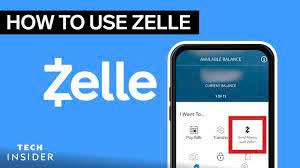
Zelle is a popular digital payment service that lets you send money directly from your bank account to someone else’s bank account — usually within minutes. It’s designed for quick, everyday payments between people, not for shopping or business purchases.
If you’ve ever needed to pay a friend back or split a bill without using cash, Zelle was built for exactly that.
How Zelle Works (Step by Step)
Zelle is built into the mobile apps of many U.S. banks and credit unions. If your bank supports Zelle, you don’t need to download a separate app.
Here’s how a typical Zelle payment works:
-
You sign up through your bank’s app or the Zelle app.
-
You choose the person you want to send money to using their phone number or email address.
-
You enter the amount and hit send.
-
The money moves directly from your bank account to theirs — often in minutes.
The recipient doesn’t need to use the same bank as you. As long as both of you have U.S. bank accounts, the transfer can go through.
Zelle is owned by a financial technology company backed by several major U.S. banks, which is why it’s so widely available through traditional banking apps.
A Real-Life Example of Using Zelle
Imagine you and three friends go out to dinner. One person pays the full bill with their card. Instead of handing over cash or waiting days for a payment to clear, everyone else sends their share through Zelle.
Within minutes, the person who paid has the money deposited straight into their checking account — no fees and no waiting.
Why Many People Like Using Zelle
Zelle has become popular because it’s fast, simple, and inexpensive.
Some of the main benefits include:
-
Instant transfers: Many payments arrive within minutes.
-
No fees: Zelle doesn’t charge to send or receive money.
-
Bank-to-bank transfers: Funds go directly into your bank account.
-
No extra balance to manage: Unlike some apps, Zelle doesn’t hold your money.
Because it’s built into many banking apps, Zelle feels like an extension of your bank rather than a separate payment platform.
Downsides to Be Aware Of
While Zelle is convenient, it’s not perfect.
Here are a few important things to keep in mind:
-
Payments are hard to reverse: Once the money is sent and received, you usually can’t cancel it.
-
Limited buyer protection: Zelle doesn’t offer the same protections as credit cards.
-
Risk of scams: Because transfers happen so quickly, scammers sometimes target Zelle users.
-
Technical issues: If a bank’s system goes down, payments can be delayed or temporarily unavailable.
For these reasons, Zelle is best used with people you know and trust.
Is Zelle Safe to Use?
Zelle uses security features like encryption and account monitoring to help protect users. In general, it’s considered a secure way to send money.
That said, safety also depends on how you use it. Since payments are fast and usually final, sending money to the wrong person or to a scammer can be difficult to fix.
A good rule of thumb: only use Zelle for payments to people you personally know, similar to handing someone cash.
Do You Need a Bank Account to Use Zelle?
Yes. Both the sender and the recipient must have U.S.-based bank accounts. However, you don’t need to use the same bank as the other person.
If your bank doesn’t offer Zelle, you can still use the standalone Zelle app, but transfer limits may be lower.
Does Zelle Charge Any Fees?
Zelle itself does not charge fees to send or receive money. Most banks also offer Zelle for free, though it’s always a good idea to double-check your bank’s terms.
Zelle vs. Other Payment Apps
Unlike apps like Venmo or Cash App, Zelle doesn’t hold your money in an app balance. Payments move directly between bank accounts.
That’s great for speed, but it also means Zelle isn’t ideal for buying items from strangers or making online purchases.
The Bottom Line
Zelle is a fast, fee-free way to send money to friends and family in the U.S. It works especially well for everyday situations like splitting bills, paying someone back, or sending quick cash in an emergency.
However, because payments are usually instant and difficult to undo, Zelle isn’t meant for transactions with strangers. Used wisely, it can be one of the easiest ways to move money directly between bank accounts.